今日5/4 の誕生花は ハナショウブ! 「花のように自分を咲かせる、新しい一歩が今日始まる」。
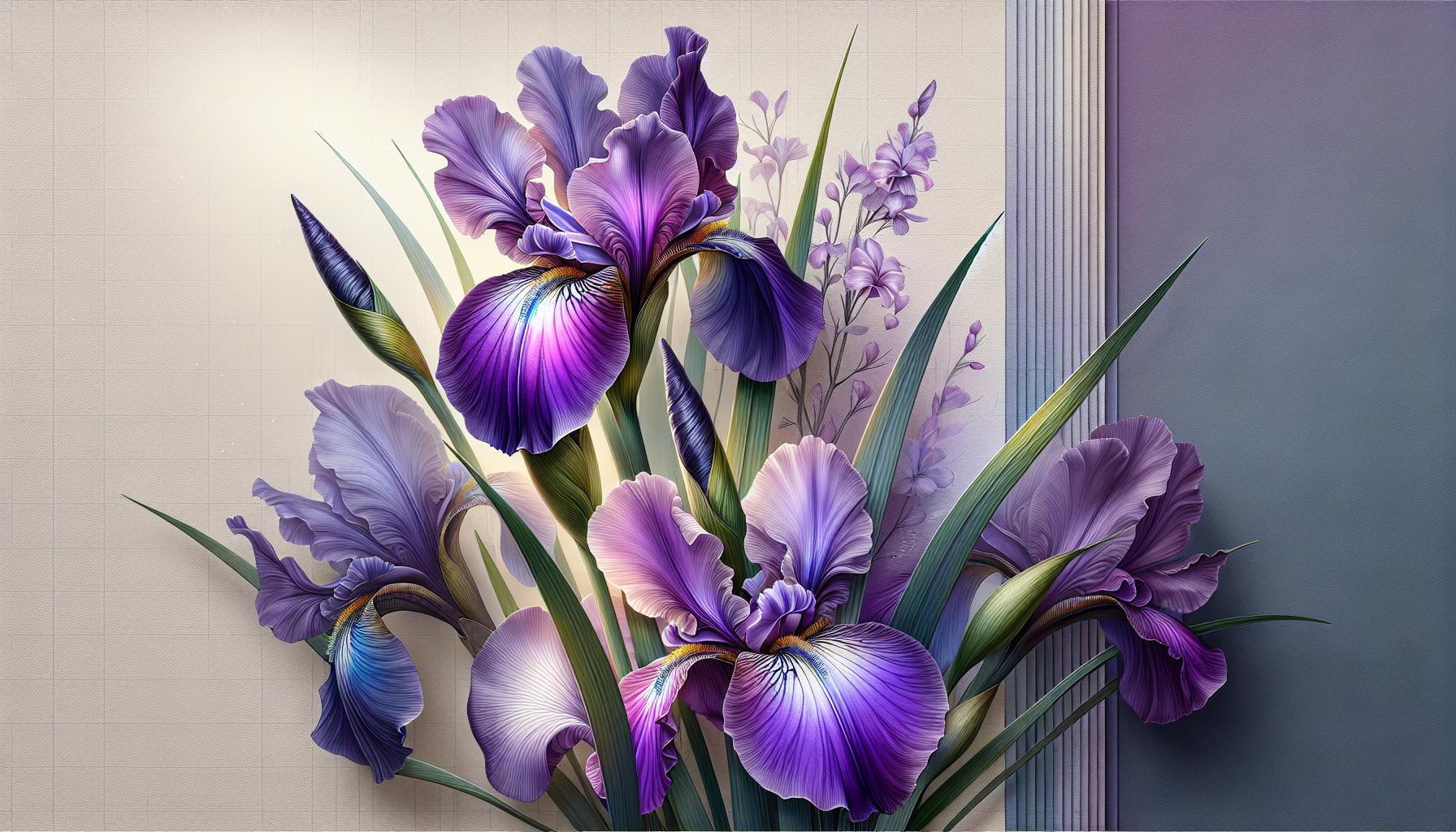
ハナショウブの特徴
外観
ハナショウブは、ユリ科の多年草で、その花は美しい淡紫色や白色をしています。葉も緑色で幅広く、茎の先に一つだけ花が咲きます。湿地や水辺などの潤った環境を好み、夏から秋にかけて見頃を迎えます。
生育環境
ハナショウブは、ユリ科の多年草で、その花は美しい淡紫色や白色をしています。葉も緑色で幅広く、茎の先に一つだけ花が咲きます。湿地や水辺などの潤った環境を好み、夏から秋にかけて見頃を迎えます。
ハナショウブの育て方
植え付け
ハナショウブは湿地を好む植物なので、水はけの良い土壌に植え付けることが重要です。日当たりが良い場所を選び、春に球根を植えます。水やりは土が乾いたら行い、成長期には適度な有機肥料を与えましょう。剪定は枯れた葉や花を取り除く程度で十分です。
水やりと肥料
ハナショウブは湿地を好む植物なので、水はけの良い土壌に植え付けることが重要です。日当たりが良い場所を選び、春に球根を植えます。水やりは土が乾いたら行い、成長期には適度な有機肥料を与えましょう。剪定は枯れた葉や花を取り除く程度で十分です。
剪定
ハナショウブは湿地を好む植物なので、水はけの良い土壌に植え付けることが重要です。日当たりが良い場所を選び、春に球根を植えます。水やりは土が乾いたら行い、成長期には適度な有機肥料を与えましょう。剪定は枯れた葉や花を取り除く程度で十分です。
ハナショウブの花言葉
優しい心と優雅
ハナショウブの花言葉には「優しい心」「優雅」が含まれています。この花は濡れた土地を好み、しなやかで優雅な姿を見せることから、そんなイメージが花言葉にも表れています。また、「心意気」「情熱」という言葉も含まれており、その美しい花姿とは対照的に、花言葉には内面の強さや情熱を感じさせる要素も含まれています。さらに、「忍耐」という花言葉も持つハナショウブは、逆境に負けずに根気よく成長する様子を表しています。
心意気と情熱
ハナショウブの花言葉には「優しい心」「優雅」が含まれています。この花は濡れた土地を好み、しなやかで優雅な姿を見せることから、そんなイメージが花言葉にも表れています。また、「心意気」「情熱」という言葉も含まれており、その美しい花姿とは対照的に、花言葉には内面の強さや情熱を感じさせる要素も含まれています。さらに、「忍耐」という花言葉も持つハナショウブは、逆境に負けずに根気よく成長する様子を表しています。
忍耐と信頼
ハナショウブの花言葉には「優しい心」「優雅」が含まれています。この花は濡れた土地を好み、しなやかで優雅な姿を見せることから、そんなイメージが花言葉にも表れています。また、「心意気」「情熱」という言葉も含まれており、その美しい花姿とは対照的に、花言葉には内面の強さや情熱を感じさせる要素も含まれています。さらに、「忍耐」という花言葉も持つハナショウブは、逆境に負けずに根気よく成長する様子を表しています。
お得な情報がここに!今すぐチェックして最新アイテムをGETしよう!
English Translation
Features of Hanashobu
Appearance
Hanashobu is a perennial plant in the lily family, and its flowers are a beautiful light purple or white color. The leaves are also green and broad, with a single flower at the end of the stem. It prefers moist environments such as wetlands and waterside areas, and is at its best in summer and fall.
Habitat
The Japanese honeysuckle is a perennial plant in the lily family with beautiful light purple or white flowers. The leaves are also green and broad, with a single flower at the end of the stem. It prefers moist environments such as wetlands and waterside areas, and is at its best in summer and fall.
How to Grow Hanashobu
Planting
Since Hanashobu prefers wetlands, it is important to plant it in well-drained soil. Choose a sunny location and plant the bulbs in the spring. Water when the soil is dry and apply a moderate amount of organic fertilizer during the growing season. Pruning is sufficient to remove dead leaves and flowers.
Watering and Fertilizer
Below the ground, it is important to plant the plant in well-drained soil, as it prefers moist areas. Choose a sunny location and plant the bulbs in the spring. Water when the soil is dry and apply a moderate amount of organic fertilizer during the growing season. Pruning is sufficient to remove dead leaves and flowers.
Pruning
Blossoms are wetland-loving plants, so it is important to plant them in well-drained soil. Choose a sunny location and plant the bulbs in the spring. Water when the soil is dry and apply a moderate amount of organic fertilizer during the growing season. Pruning is sufficient to remove dead leaves and flowers.
The language of flowers
Gentle heart and grace
The language of flowers of the Japanese honeysuckle includes “gentle heart” and “grace. These images are expressed in the language of flowers, as this flower prefers wet land and has a supple and graceful appearance. It also includes the words “spirit” and “passion.” In contrast to its beautiful flower form, the language of flowers also includes elements of inner strength and passion. Furthermore, the flower language of hanashoubu also includes the word “perseverance,” which represents perseverance and growth in the face of adversity.
Spirit and Passion
The Hanashoubu flower language includes the words “tender heart” and “grace. These images are expressed in the language of flowers, as this flower prefers wet lands and appears supple and graceful. It also includes the words “spirit” and “passion.” In contrast to its beautiful flower form, the language of flowers also includes elements of inner strength and passion. Furthermore, the hanashoubu, which also has the flower language of “perseverance,” represents perseverance and growth in the face of adversity.
Patience and trust
The language of flowers of Hanashoubu includes “kind heart” and “grace. These images are expressed in the language of flowers, as this flower prefers wet land and appears supple and graceful. It also includes the words “spirit” and “passion.” In contrast to its beautiful flower form, the language of flowers also includes elements of inner strength and passion. Furthermore, hanashoubu, which also has the flower language of “perseverance,” represents perseverance and growth in the face of adversity.

